
Cybersecurity Readiness Game vs Jottler

Cybersecurity Readiness Game
Battle-test your team's cyber defense skills with our free, hands-on simulation.
Last updated: March 18, 2026

Visual Comparison
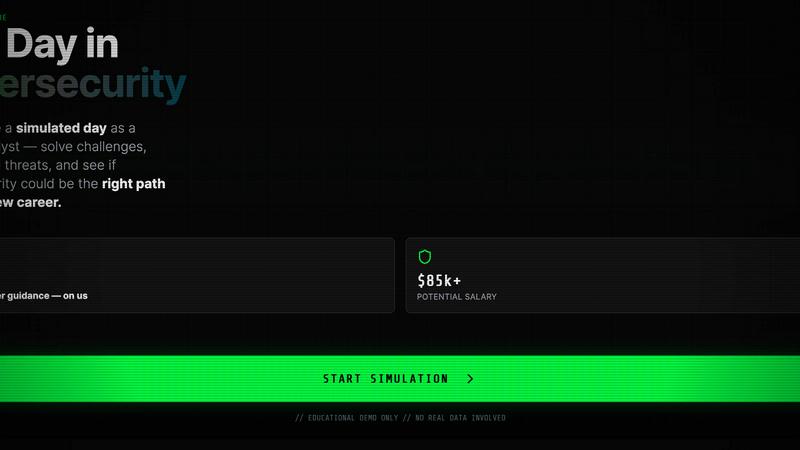
Cybersecurity Readiness Game
Jottler
Overview
About Cybersecurity Readiness Game
Stop just talking about cyber threats and start battling them. The Cybersecurity Readiness Game is a battle-tested simulation tool that throws you into the heart of real-world security incidents. Forget passive learning and theoretical quizzes; this is a hands-on, high-stakes environment where you make critical decisions and immediately face the consequences. It's designed for anyone from aspiring security engineers to current IT teams who need to prove their mettle. The tool's core value proposition is ruthless clarity: it exposes the human error gap—the root cause of over 70% of breaches—and gives you a practical, unvarnished view of your team's true readiness level. With no registration required, it cuts through the noise of traditional training, offering credible scenarios that mirror today's attack landscape. You don't just learn about cybersecurity; you experience the pressure, practice the response, and build the instinctive skills needed to defend your organization when it truly counts.
About Jottler
Jottler is an autonomous AI SEO agent that researches keywords, writes high-quality blog posts, and publishes them directly to your website to grow organic traffic automatically.
Built for founders, startups, and small teams, Jottler removes the complexity of SEO and content marketing by running the entire workflow for you—from keyword discovery to article publishing.
Key Features
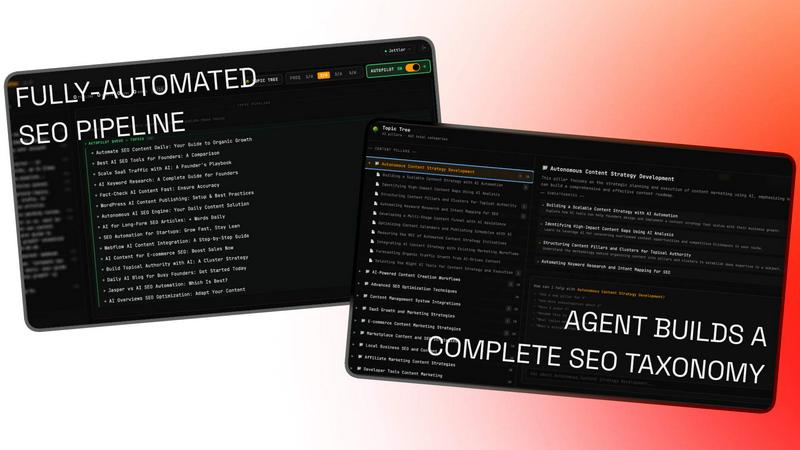
• Fully automated SEO content pipeline
Jottler continuously discovers keyword opportunities, plans topics, and generates optimized articles for your blog.
• AI-powered keyword research & content planning
Identify high-value search opportunities and build a long-term content strategy automatically.
• Direct CMS publishing
Publish articles straight to platforms like Webflow, WordPress, and other CMS systems without manual work.
• Rich, structured content
Articles include images, formatting, internal links, tables, and SEO-optimized structure.
• Long-form, high-quality articles