Self-Healing Integrations
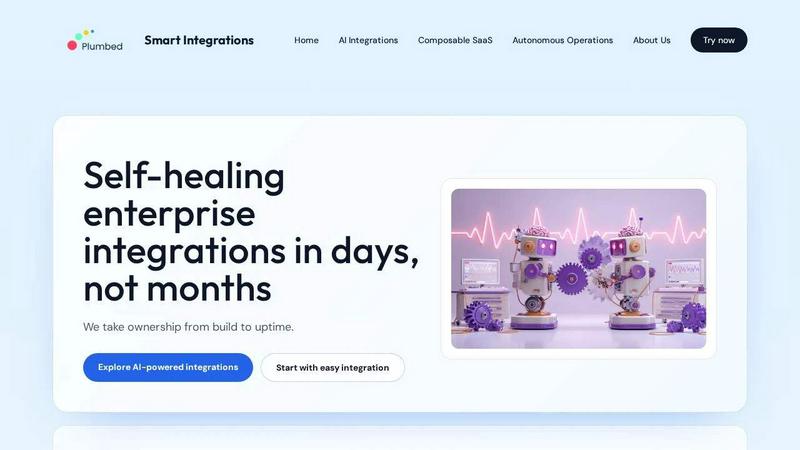
Plumbed.io delivers self-healing integrations that automate maintenance, ensuring your enterprise connections are fast, reliable, and cost-effective.

About Self-Healing Integrations
Self-Healing Integrations by Plumbed.io revolutionize the way enterprises manage their integration processes. This cutting-edge solution goes beyond traditional integration tools by not only building connections between systems but also ensuring they remain operational and efficient. Designed for businesses that frequently work with custom integrations, Self-Healing Integrations automate the entire integration lifecycle, from initial deployment to ongoing maintenance. This means that organizations no longer need to grapple with the burdensome "integration tax" that often comes with launching new channels or systems. Instead, they can rely on AI-managed processes that provide proactive monitoring, error handling, and continuous updates, allowing businesses to scale quickly and effectively. With Self-Healing Integrations, companies experience faster launches, lower costs, and the peace of mind that comes from knowing their integrations are self-sustaining and resilient.
Features of Self-Healing Integrations
Automated Monitoring
Self-Healing Integrations continuously monitor the performance of all integration points, ensuring that any anomalies are detected and addressed in real-time. This reduces downtime and enhances operational efficiency.
Proactive Error Handling
With sophisticated AI algorithms, the platform automatically identifies and rectifies errors before they impact business operations. This proactive approach minimizes disruptions and keeps data flowing seamlessly.
Continuous System Updates
Self-Healing Integrations automatically update to adapt to changes in connected systems or APIs. This ensures that integrations remain compatible and functional without the need for manual intervention.
Rapid Deployment
The platform is designed for speed, allowing businesses to deploy new integrations in record time. This agility helps organizations respond quickly to market demands and stay ahead of the competition.
Use Cases of Self-Healing Integrations
E-commerce Platform Integration
An e-commerce company uses Self-Healing Integrations to connect its inventory management system with various sales channels. The automated monitoring ensures that stock levels are always accurate, preventing overselling and enhancing customer satisfaction.
CRM and Marketing Automation
A marketing team leverages Self-Healing Integrations to connect their CRM with email marketing tools. The proactive error handling feature automatically fixes issues during campaigns, ensuring that leads are nurtured without interruption.
Financial Data Synchronization
A financial institution employs Self-Healing Integrations to synchronize data between their accounting software and banking systems. Continuous system updates maintain compliance with regulatory changes, safeguarding the organization from potential risks.
Supply Chain Optimization
A manufacturing company uses Self-Healing Integrations to integrate their supply chain management software with third-party logistics providers. The rapid deployment feature allows them to onboard new partners quickly, enhancing operational efficiency.
Frequently Asked Questions
What makes Self-Healing Integrations different from traditional integration tools?
Self-Healing Integrations not only build connections but also automate the entire lifecycle of integrations, including monitoring, error handling, and updates. This contrasts with traditional tools that require ongoing manual maintenance.
How quickly can I deploy new integrations?
With Self-Healing Integrations, organizations can deploy new connections in record time, often within days instead of months. This rapid deployment capability allows businesses to respond quickly to changing market needs.
What types of businesses can benefit from Self-Healing Integrations?
Any business that relies on multiple systems or channels, particularly those with custom integrations, can benefit from Self-Healing Integrations. This includes e-commerce, finance, manufacturing, and marketing sectors.
Is there a learning curve to using Self-Healing Integrations?
No. The platform is designed to be user-friendly and intuitive, enabling teams to get started quickly without extensive training or technical expertise. Self-Healing Integrations streamline the integration process for all users.
Explore more in this category:
Top Alternatives to Self-Healing Integrations

LoadTester
LoadTester gives your team infra-free load testing with real-time analytics and battle-tested reliability against any competitor.
Seedance 2.0 Web & API
Seedance 2.0 delivers crisp short-form AI videos from text or images, up to 1080p at 15 seconds, with generous daily credits.
ProcessSpy
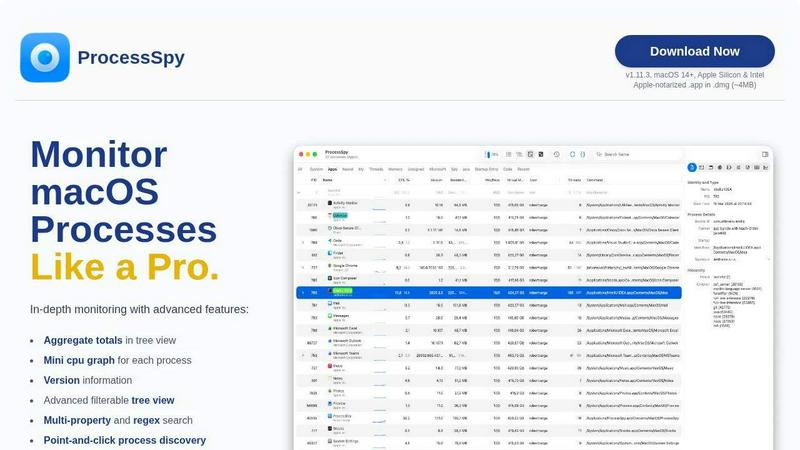
ProcessSpy is an advanced macOS tool for in-depth process monitoring, offering powerful filters, real-time insights, and seamless integration.

Claw Messenger
Give your AI agent its own iMessage number to communicate directly and securely from any device.