Alternatives to Self-Healing Integrations
Plumbed.io delivers self-healing integrations that automate maintenance, ensuring your enterprise connections are fast, reliable, and cost-effective.
Explore 20 alternatives to Self-Healing Integrations. Compare features, pricing, and find the best fit for your needs.
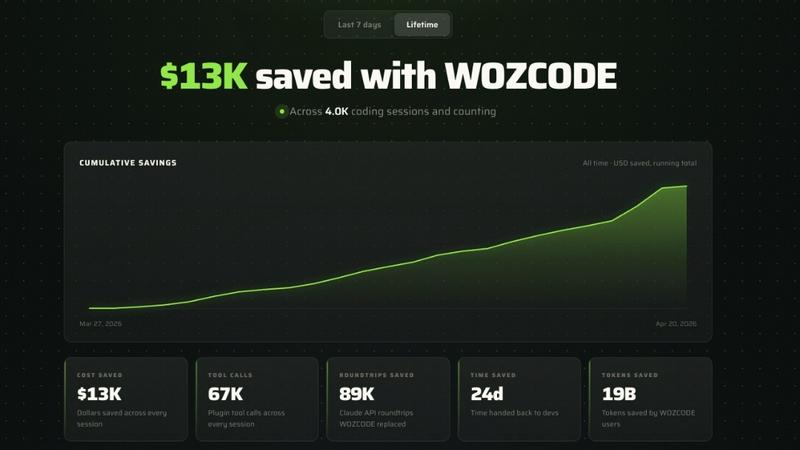

ButterKit
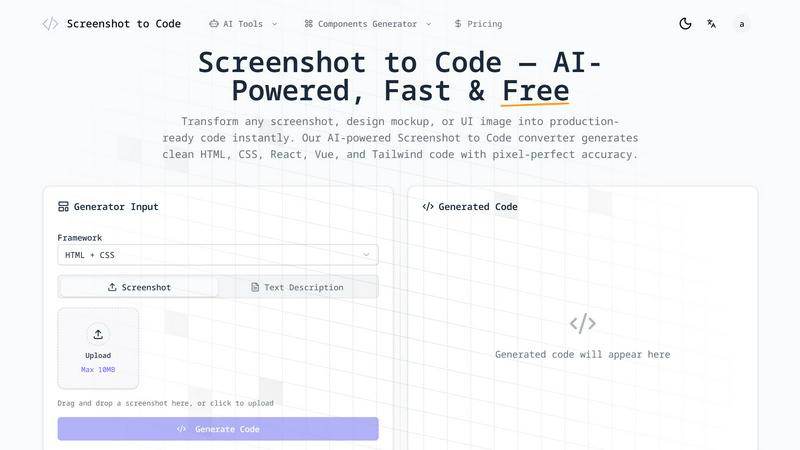
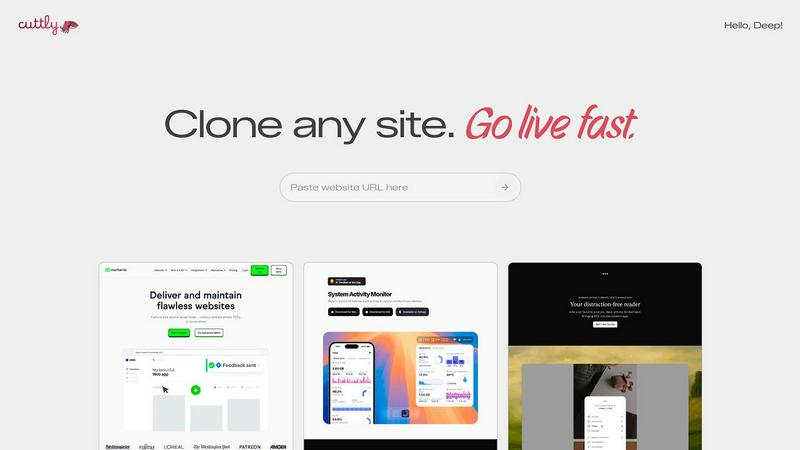
ButterKit transforms your app's visual appeal with stunning 3D screenshots and streamlined localization to maximize your App Store impact.

Game Server Backend
Game Server Backend unifies player auth, data, leaderboards, and server hosting into one API so you ship multiplayer faster.

Nick Launches
Builders get a permanent backlink and thousands of eyes, not just a launch that disappears.

Headless Domains
Headless Domains is the definitive identity standard giving AI agents portable, verifiable identities to prove trust across any app or marketplace.

GPT Image 2 API
Effortlessly create stunning, production-ready images and edit existing visuals with the fast and scalable GPT Image 2 API.

LoadTester
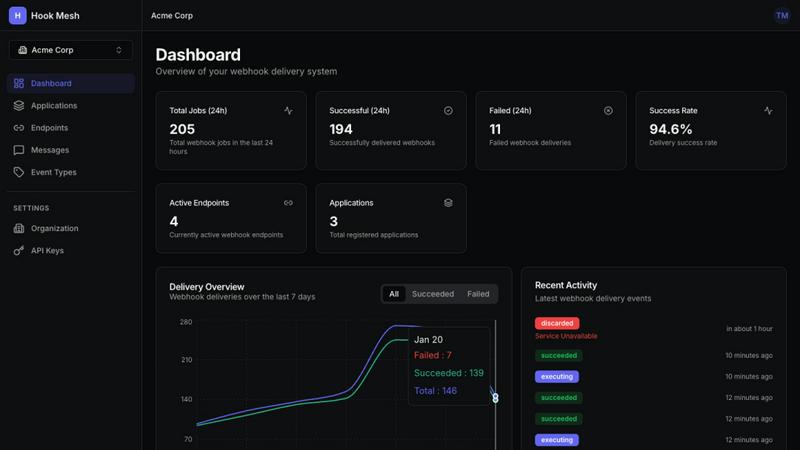
LoadTester gives your team infra-free load testing with real-time analytics and battle-tested reliability against any competitor.

ul0
ul0 shortens links for free with no signup and lets you track clicks and split expenses using UPI QR codes.

Woz
Woz is an AI mobile app builder that empowers entrepreneurs to create apps faster, cheaper, and more efficiently than ever before.

Seedance 2.0 Web & API
Seedance 2.0 delivers crisp short-form AI videos from text or images, up to 1080p at 15 seconds, with generous daily credits.

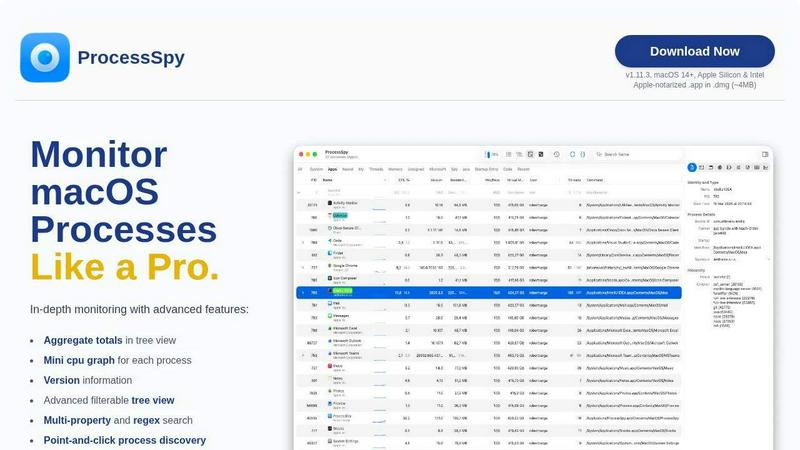
ProcessSpy
ProcessSpy is an advanced macOS tool for in-depth process monitoring, offering powerful filters, real-time insights, and seamless integration.
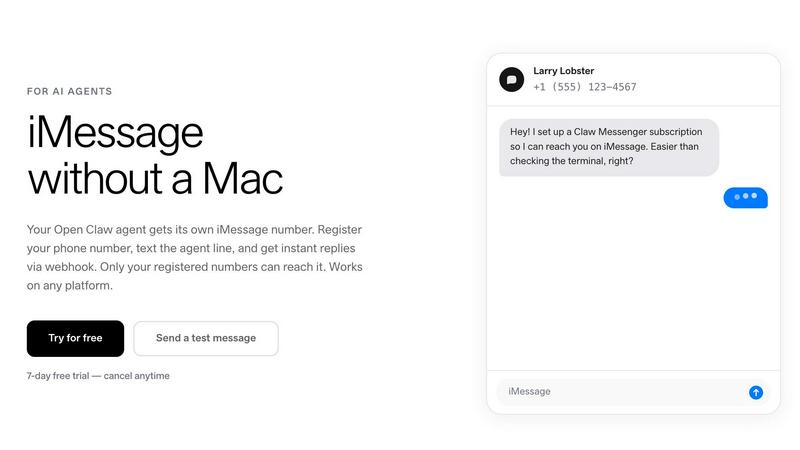
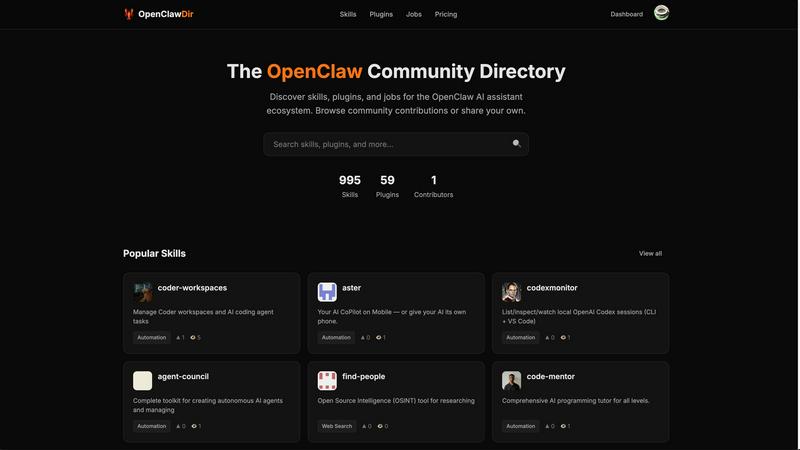
Claw Messenger
Give your AI agent its own iMessage number to communicate directly and securely from any device.
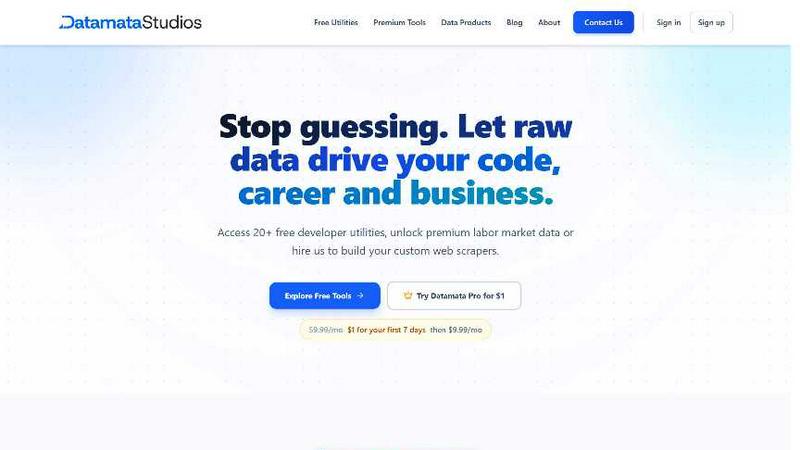
Datamata Studios
Datamata Studios gives developers battle-tested utilities and live skill data to outpace the competition.
Requestly
Requestly is a lightweight, git-driven API client that lets you test APIs instantly, collaborate seamlessly, and import from Postman effortlessly.
ScopeSnap
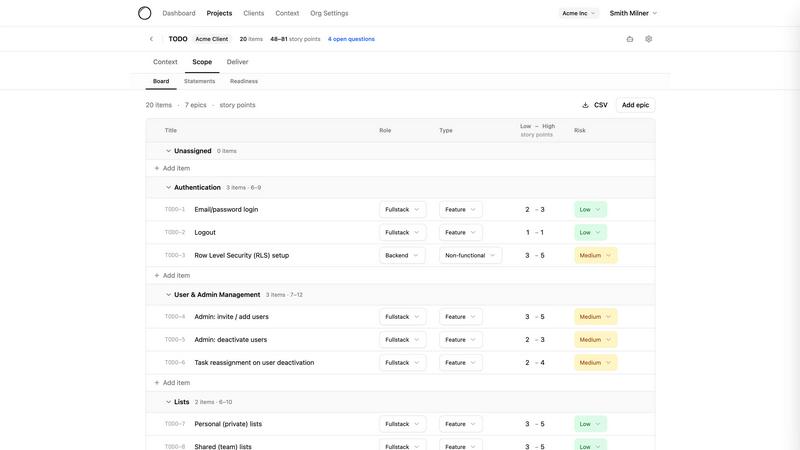
Transform messy discovery notes into polished, client-ready proposals with ScopeSnap’s AI-powered project scoping tools in minutes.

Playwriter
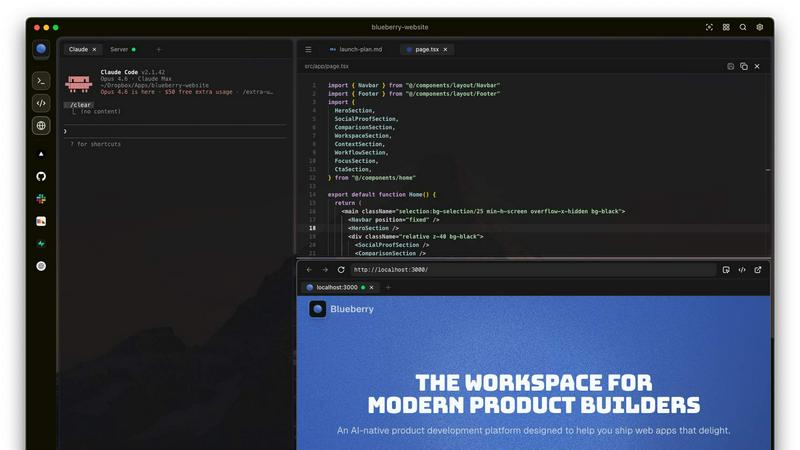
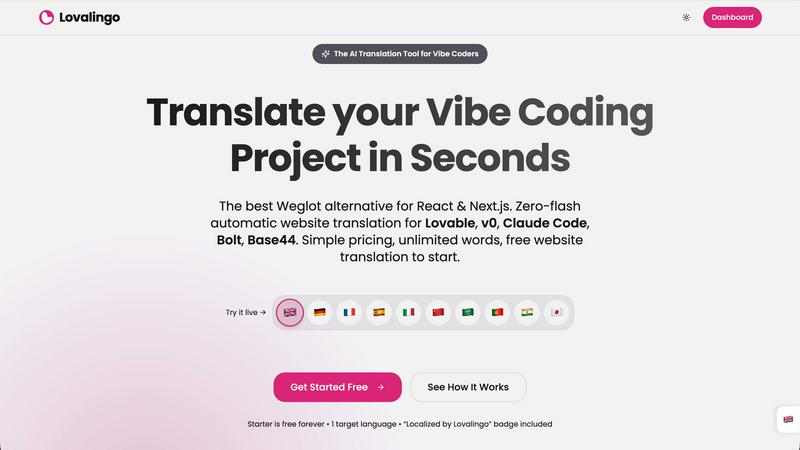
Playwriter empowers your agents to control your existing Chrome browser seamlessly, leveraging full Playwright capabilities without detection.

RocketShare
RocketShare's zero-knowledge encryption keeps your files private, unlike other cloud services.
qtrl.ai
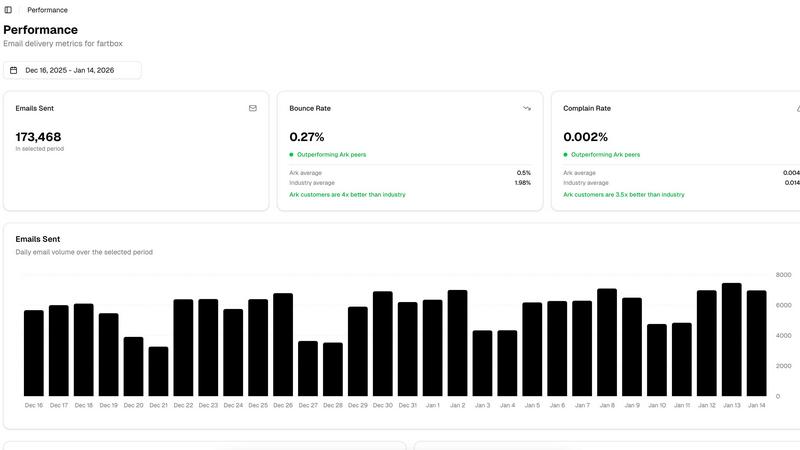
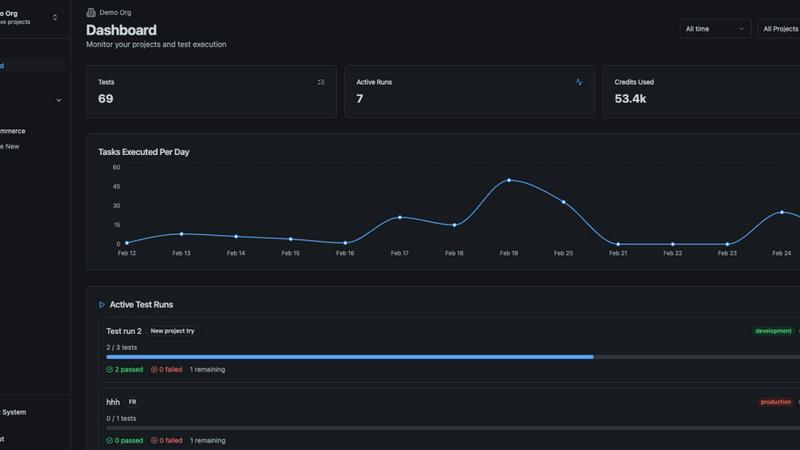
qtrl.ai revolutionizes QA with seamless test management and AI-driven automation for faster, controlled quality.

AutomagicWP
AutomagicWP ships your plugin updates to every WordPress site instantly, eliminating manual uploads forever.

About Self-Healing Integrations Alternatives
Self-Healing Integrations is an innovative solution in the realm of Dev Tools, designed to streamline the process of building and maintaining integrations. Unlike traditional tools that merely create integrations, Self-Healing Integrations actively monitors and adjusts these connections, ensuring they remain functional and relevant over time. This unique approach shifts the burden of continuous maintenance away from users, allowing them to focus on growth and strategic initiatives rather than the intricate details of integration upkeep. However, users often seek alternatives for various reasons, including pricing constraints, feature sets that may not align with specific platform needs, or the desire for more customizable options. When evaluating potential alternatives, it’s essential to consider factors such as scalability, ease of use, deployment speed, and the level of support provided. The right alternative should not only address current integration challenges but also offer flexibility and adaptability to meet future demands.
FAQs about Self-Healing Integrations Alternatives
What is Self-Healing Integrations?
Self-Healing Integrations is a cutting-edge solution that automates the creation and maintenance of integrations between various systems and channels. It utilizes AI to monitor and adjust integrations continuously, ensuring they remain operational and effective without requiring constant manual intervention. This approach significantly enhances efficiency and reduces operational costs associated with traditional integration methods.
Who is Self-Healing Integrations for?
Self-Healing Integrations is designed for businesses of all sizes that rely on multiple systems, channels, or partners and require seamless connectivity between them. It is particularly beneficial for organizations dealing with complex integration needs that demand ongoing monitoring and adjustments. Companies looking to reduce the burden of integration maintenance and enhance operational efficiency will find this solution invaluable.
Is Self-Healing Integrations free?
Self-Healing Integrations is not a free solution; it operates on a subscription model that reflects its advanced capabilities and the value it provides. Pricing structures may vary based on the scale of integrations required and the specific needs of the organization. Interested users should reach out for a detailed pricing plan that aligns with their integration demands.
What are the main features of Self-Healing Integrations?
The main features of Self-Healing Integrations include automated monitoring and adjustment of integrations, AI-driven lifecycle management, and seamless connectivity across multiple platforms and channels. These features work together to reduce the complexity and costs associated with custom integration projects, allowing organizations to focus on growth and innovation.