Microplastic Intake App
Outsmart the invisible threat with the only app that tracks and minimizes your daily microplastic intake.

About Microplastic Intake App
The Microplastic Intake App is the first data-driven tool designed to track, measure, and minimize your daily microplastic consumption. While every other health app obsesses over macros like protein, carbs, and fats, they are all missing the microscopic threat that is silently sabotaging your wellness. Studies confirm that the average person ingests and inhales 52,000 microplastic particles per year, with 100% of tested individuals showing detectable levels in their bloodstream. These particles have been found in over 30 body parts, from your brain to your heart. The Microplastic Intake App arms you with a proprietary model backed by hundreds of peer-reviewed studies to identify exactly how many particles you are consuming from your favorite foods, drinks, and daily activities. This app is for the health-conscious individual who refuses to ignore the invisible enemy. It is for biohackers, wellness warriors, and anyone serious about optimizing gut health, energy levels, hormonal balance, and antioxidant production. By tracking your estimated daily intake over time, you gain the actionable intelligence needed to make smarter choices. Stop guessing and start measuring. The Microplastic Intake App transforms vague anxiety into precise, battle-tested data that empowers you to take control of your health at the microscopic level.
Features of Microplastic Intake App
Proprietary Microplastic Intake Model
This is not a guessing game. Our proprietary model aggregates data from hundreds of peer-reviewed studies to calculate your estimated microplastic intake with scientific precision. The model accounts for particle type, size, and concentration found in specific foods, beverages, and environmental exposures. You get a personalized daily score that reveals exactly how many particles you are consuming, giving you a concrete baseline to improve upon.
Comprehensive Food and Drink Database
The app contains an extensive, constantly updated database of common foods and drinks with their verified microplastic content. From bottled water and seafood to salt, beer, and honey, each entry is sourced directly from published scientific literature. You can log your meals in seconds and instantly see which items are the biggest contributors to your daily intake. This database turns every meal into a data point for better health.
Activity and Environmental Tracking
Microplastics are not just in your food. They are in the air you breathe and the clothes you wear. This feature allows you to log activities like washing synthetic fabrics, using plastic containers, or spending time in urban environments. The app calculates the estimated particle release from each activity, such as the 700,000 microplastics released per polyester wash. You get a complete picture of your total exposure.
Personalized Wellness Dashboard
Your intake data is visualized over time, showing trends and correlations with your self-reported energy, mood, and digestive wellness. The dashboard helps you identify which changes in your diet or habits lead to measurable improvements. You can set intake reduction goals, track your progress, and see how small swaps create massive cumulative benefits for your gut, hormones, and antioxidant status.
Use Cases of Microplastic Intake App
Daily Diet Optimization for Health Enthusiasts
A fitness-focused individual tracking their macros realizes they drink three liters of water from plastic bottles daily. Using the app, they discover this single habit contributes over 30,000 particles per week. They switch to a glass or stainless steel bottle with filtered water and watch their daily intake drop by 40%. This use case shows how the app turns a blind spot into an actionable win for overall wellness.
Reducing Exposure for Hormonal Balance
A woman struggling with unexplained hormone imbalances uses the app to log her diet and lifestyle. She discovers that her daily canned soup and plastic-wrapped meal prep containers are major contributors to her microplastic intake. By switching to fresh, unpackaged alternatives and glass storage, she reduces her exposure. Over weeks, she tracks improved mood and hormonal clarity, linking her data to real health outcomes.
Environmental Detox for Biohackers
A biohacker focused on longevity and antioxidant production uses the app to correlate high intake days with low energy and brain fog. They identify that eating takeout food stored in plastic containers and wearing polyester workout gear are their top sources. By adjusting these habits and using the app's tracking, they optimize their body's detoxification pathways and report sustained energy levels throughout the day.
Family Health Management
A parent concerned about their children's lifelong health uses the app to audit the family kitchen. They log common kid-friendly items like fruit pouches, yogurt cups, and plastic sippy cups. The app reveals surprisingly high particle counts from these items. Armed with this data, the parent swaps to glass bottles, homemade snacks, and bulk-bought foods. The entire family's estimated intake drops significantly, providing peace of mind.
Frequently Asked Questions
How accurate is the microplastic intake calculation?
The app uses a proprietary model built on data from hundreds of peer-reviewed studies published in journals like Environmental Science and Technology and Environmental Pollution. While no app can measure your exact personal intake without a lab test, our model provides a highly reliable estimate based on the best available science. We cite every source and update the database as new research emerges, making it the most accurate tool available for consumers.
What foods and drinks are included in the database?
The database covers commonly studied items including seafood, bottled and tap water, salt, sugar, honey, beer, tea, and many processed foods. We also include items like plastic-packaged meals and takeout containers. The database is continuously expanded based on new scientific publications. If a food has been studied for microplastic content, we add it. You can also request additions through the app.
How does the app track microplastics from activities?
Activities like washing synthetic clothes, using plastic cutting boards, or heating food in plastic containers release microplastics into your environment. The app uses published research on particle release rates for each activity. For example, a single polyester wash releases an estimated 700,000 fibers. You log the activity and frequency, and the app calculates the estimated airborne and dustborne particles you may inhale or ingest.
Is this app only for people who already eat a perfect diet?
Absolutely not. This app is for anyone who wants to make informed choices, regardless of their current diet. Whether you eat fast food daily or follow a strict organic regimen, microplastics are present. The app helps you identify the biggest contributors in your unique lifestyle. Even small changes, like switching from plastic to glass containers, can significantly reduce your intake. It is about progress, not perfection.
Explore more in this category:
Top Alternatives to Microplastic Intake App
OGTV
OGTV is a fast and modern Omegle alternative designed
Spindex
Spindex empowers players to gamble smarter by tracking real-time slot performance and identifying winning patterns across top crypto casinos.
Metric Nexus
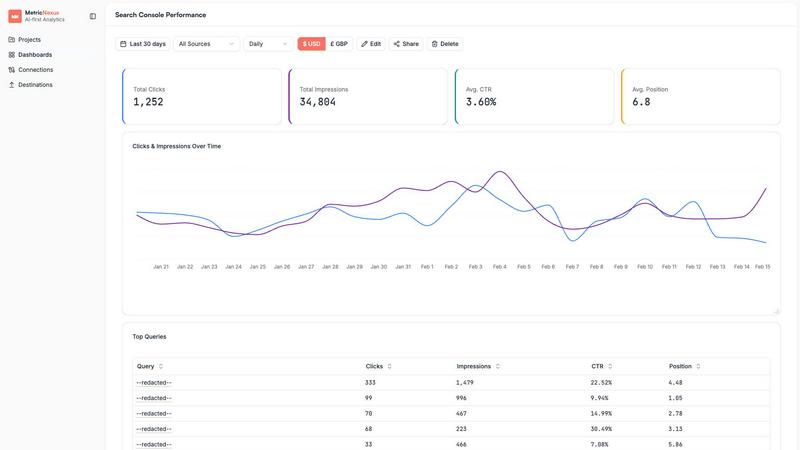
Metric Nexus is the AI marketing analytics platform that gives you instant answers about your ad performance in plain English.
TrafficClaw
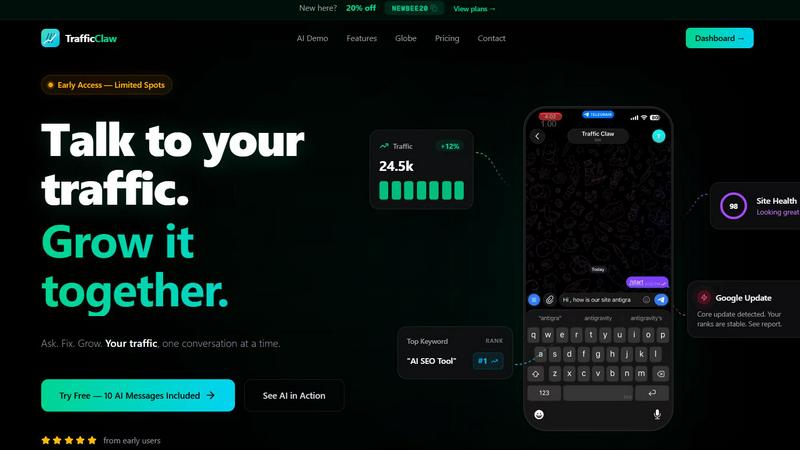
TrafficClaw transforms your SEO and analytics data into actionable insights through intuitive conversations, driving your traffic growth effortlessly.
Fusedash
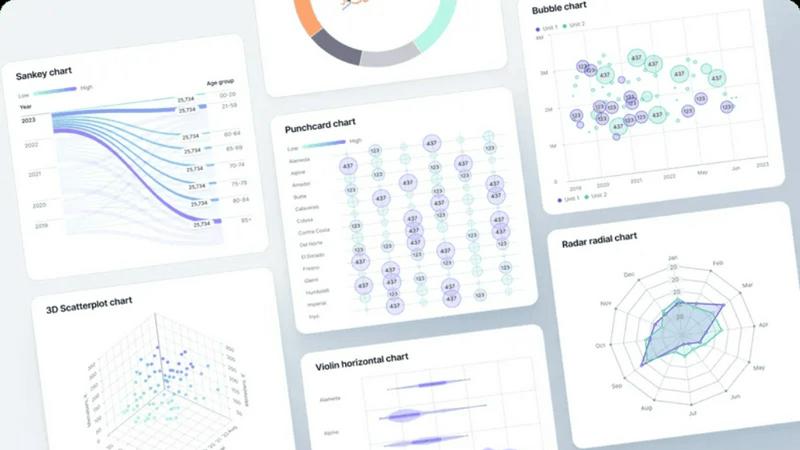
Fusedash unifies AI visualization and reporting to turn data into actionable insights faster than competitors.
Cleanlist AI
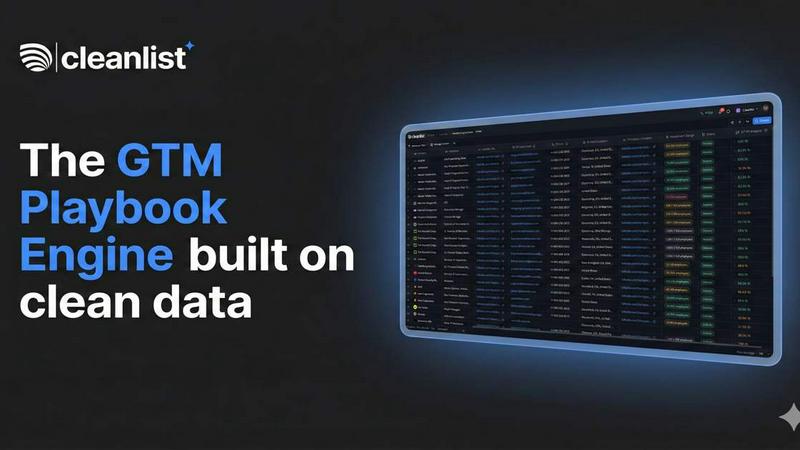
Cleanlist AI delivers battle-tested B2B lead enrichment with 95% email coverage.